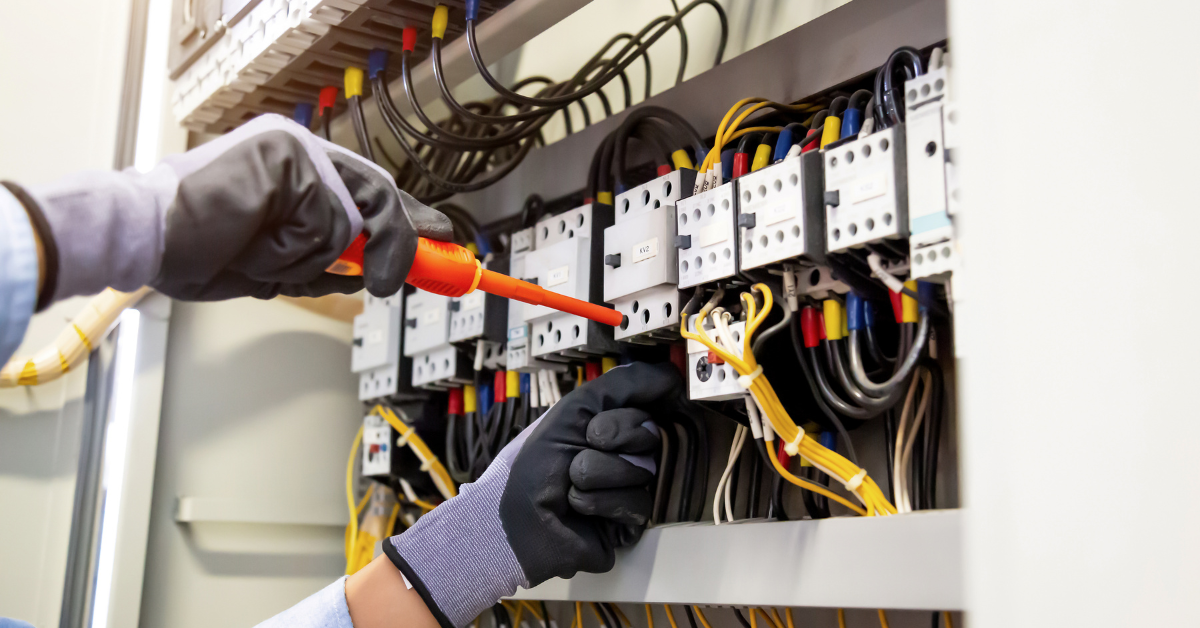
Electrical systems are a fundamental part of modern buildings and industrial facilities. They provide the power needed to operate lighting, equipment, security systems, and communication networks. A well-designed electrical system ensures that electricity is distributed safely and efficiently, supporting daily operations while protecting people and property from electrical hazards.
Key Takeaways Electrical System
• Electrical systems supply and distribute power throughout buildings and industries.
• They support essential services like lighting, machinery, and security systems.
• Proper electrical design improves safety, efficiency, and reliability.
• Regular maintenance helps prevent electrical faults and hazards.
• Modern electrical systems focus on energy efficiency and smart technology integration.
Understanding Electrical Systems
An electrical system is a network that generates, distributes, and controls electrical power within a building or facility. It includes various components such as power sources, wiring, control devices, and protective equipment. These systems are carefully designed to meet the power requirements of residential, commercial, and industrial environments while maintaining reliability and safety.
Key Components of an Electrical System
Every electrical system is built with several important components that work together to ensure smooth power distribution. These include power supply sources, distribution panels, electrical wiring, switches, and protective devices like circuit breakers and fuses. Each component plays a critical role in controlling electricity and preventing system failures.
Importance of Electrical Systems in Modern Buildings
Electrical systems power almost every function within a modern building. From lighting and air conditioning to elevators and security systems, electricity keeps daily operations running efficiently. Reliable electrical infrastructure improves productivity, enhances comfort, and ensures that critical services remain operational.
Electrical Systems in Industrial Environments
Industrial facilities require more complex electrical systems to support heavy machinery, automated production lines, and monitoring equipment. These systems must handle higher electrical loads and maintain consistent performance to prevent costly downtime. Proper electrical design and maintenance are essential for safe and efficient industrial operations.
The Role of Electrical Safety
You must consider electrical safety in all electrical systems. Poor wiring, overloaded circuits, or malfunctioning equipment can cause fires, electric shocks, or equipment damage. When you follow installation standards, inspect systems regularly, and perform preventive maintenance, you reduce risks and create a safe environment.
Energy Efficiency and Sustainability
Designers increasingly focus on energy efficiency in modern electrical systems. LED lighting, automated controls, and energy monitoring systems lower electricity consumption and operating costs. By choosing energy-efficient solutions, you also advance environmental sustainability and encourage responsible energy use.
Future of Electrical Systems
The future of electrical systems is closely connected to smart technology and automation. Advanced monitoring systems, renewable energy integration, and intelligent power management are transforming how electricity is used and controlled. These innovations help improve efficiency, reliability, and sustainability in modern infrastructure.
Conclusion
Electrical systems are the lifeline of modern buildings and industries. They power essential services, support safety systems, and enable technological advancements that drive productivity and growth. With proper design, maintenance, and innovation, electrical systems will continue to play a crucial role in building a safe and efficient future.
FAQs
An electrical system distributes electricity to power equipment, lighting, and devices in a building.
They ensure reliable power supply for daily operations and safety systems.
They are used in homes, offices, industries, hospitals, and commercial buildings.
Power supply, wiring, distribution panels, switches, and protective devices.
Through proper installation, circuit protection, and regular maintenance.

No responses yet