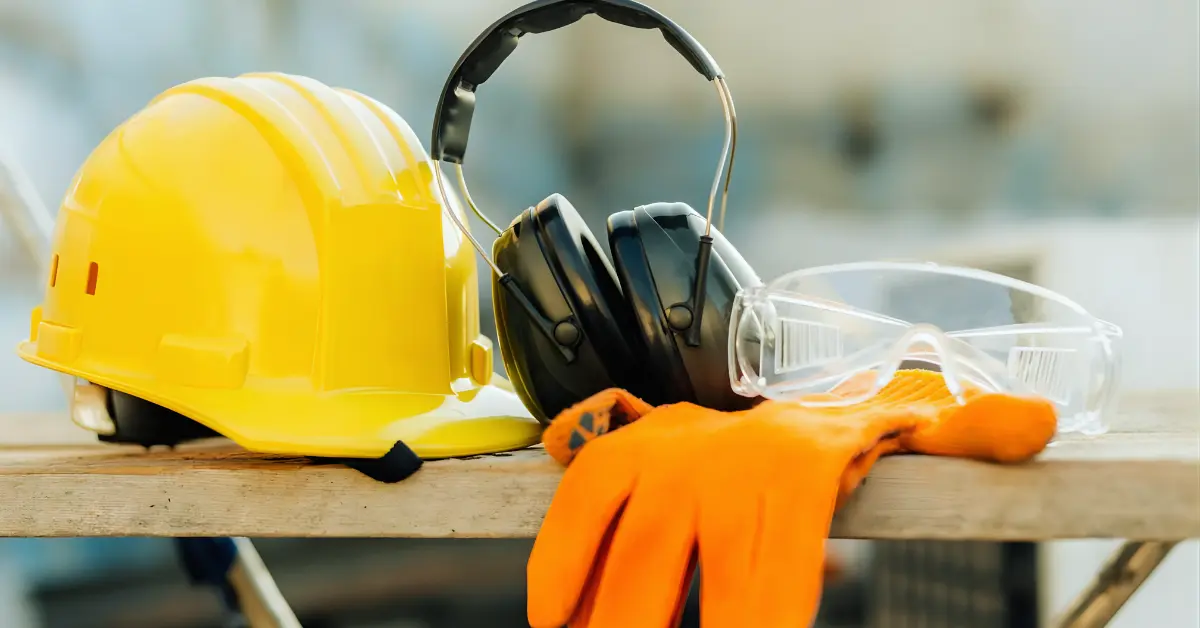
In every industry, from construction sites and factories to offices and warehouses, safety equipment plays a powerful yet often unnoticed role. It stands quietly in the background, ready to protect lives when risks become real. While technology continues to evolve and workplaces grow more complex, one truth remains constant: safety equipment is not an option; it is a responsibility.
Workplace accidents can occur in an instant, but their consequences can last a lifetime. Properly selected, installed, and maintained safety equipment reduces hazards, prevents injuries, and creates a secure environment where people can focus on their work with confidence. It is more than compliance with regulations; it is a commitment to human life.
Key takeaway Safety Equipment
- Protects lives and reduces workplace risks Safety equipment..
- Regular inspection and maintenance ensure reliable performance.
- Proper training improves emergency response and equipment use.
- Strong safety culture prevents accidents and boosts productivity.
- Investing in safety safeguards business continuity and reputation.
Understanding Safety Equipment
Includes all tools, devices, systems, and protective gear designed to minimize risk and respond effectively to emergencies. It can be broadly divided into three categories:
- Personal Protective Equipment (PPE)
- Fire Protection & Emergency Systems
- Workplace Safety & Monitoring Devices
Each category addresses different types of hazards, but together they form a complete protection strategy.
1. Personal Protective Equipment (PPE)
Personal Protective Equipment is often the first line of defense against workplace hazards. PPE is designed to protect individual workers from injuries caused by physical, chemical, electrical, or biological risks.
Common PPE Includes:
- Safety helmets
- Protective gloves
- Safety goggles and face shields
- Ear protection
- High-visibility clothing
- Safety shoes
- Respirators and masks
For example, on a construction site, a helmet can prevent fatal head injuries caused by falling objects. In the chemical industry, gloves and respirators protect workers from exposure to toxic substances. Even in office environments, ergonomic supports and anti-slip mats play a crucial role in enhancing workplace safety.
However, PPE is only effective when properly selected, fitted, and used consistently. Training employees on correct usage is just as important as providing the equipment itself.
2. Fire Protection & Emergency Safety Equipment
Fire is one of the most destructive hazards in any facility. Advanced fire safety equipment is essential to detect, control, and extinguish fires before they escalate.
Key Fire Safety Equipment:
Fire Extinguishers
Portable extinguishers provide immediate response to small fires. Different types (water, CO₂, foam, dry powder) are used depending on the fire class.
Fire Alarm Systems
Smoke detectors, heat detectors, and manual call points work together to detect fire early and trigger alerts for evacuation.
Fire Sprinkler Systems
Automatic sprinkler systems activate when high temperatures are detected, controlling fire spread until emergency responders arrive.
Fire Hydrant Systems
Hydrant networks supply high-pressure water during major fire incidents, ensuring firefighters have continuous water access.
Emergency Lighting & Exit Signage
During power failure or smoke conditions, illuminated exit signs and emergency lights guide occupants safely out of the building.
Fire protection equipment not only saves lives but also protects business continuity. Early detection and quick response significantly reduce property damage and downtime.
3. Workplace Safety & Monitoring Devices
Modern workplaces rely on technology-driven safety equipment to detect risks before accidents happen.
Examples Include:
- Gas detection systems
- CCTV surveillance systems
- Access control systems
- Electrical protection devices
- Machine guarding systems
- Emergency shut-off switches
Gas detectors, for instance, identify invisible threats like carbon monoxide or methane leaks. Electrical safety panels prevent overloads and short circuits. Machine guards protect workers from moving mechanical parts.
By integrating smart monitoring systems, organizations shift from reactive safety to proactive prevention.
Why Safety Equipment Matters More Than Ever
Industries operate at high speeds with heavy machinery, complex electrical systems, hazardous materials, and large workforce volumes. Even minor negligence can result in catastrophic accidents.
Safety equipment ensures:
- Reduced workplace injuries
- Lower compensation and insurance costs
- Compliance with safety regulations
- Improved employee morale
- Enhanced productivity
- Protection of the company’s reputation
When employees feel safe, they perform better. A secure environment builds trust between workers and management, strengthening the organization as a whole.
The Role of Maintenance and Inspection
Installing safety equipment is only the first step. Regular inspection, testing, and maintenance are critical.
Fire extinguishers must be checked monthly. Alarm systems require periodic testing. Electrical panels need routine inspections. Neglecting maintenance can render even the best equipment useless during emergencies.
A proactive maintenance schedule ensures that safety systems remain reliable and compliant with standards.
Training: The Missing Link
Even the most advanced safety equipment cannot prevent accidents if employees are not trained to use it properly.
Workplace safety training should include:
- Proper use of PPE
- Fire evacuation drills
- Emergency response procedures
- First-aid awareness
- Equipment handling instructions
Practical drills prepare workers to respond calmly and effectively during real emergencies. Confidence and awareness reduce panic and save lives.
Building a Strong Safety Culture
Safety equipment alone does not create a safe workplace. It must be supported by a strong safety culture.
A safety-focused organization:
- Encourages hazard reporting
- Conducts regular risk assessments
- Promotes continuous improvement
- Involves leadership in safety planning
- Rewards safe behavior
When safety becomes part of everyday thinking rather than a checklist item, accidents decrease dramatically.
Safety Equipment in Different Industries
Construction Industry
Helmets, harnesses, scaffolding guards, and heavy-duty gloves are essential to protect workers from falls and impact injuries.
Manufacturing Sector
Machine guards, lockout-tagout systems, emergency stops, and hearing protection reduce mechanical and noise-related risks.
Healthcare Facilities
Protective gowns, masks, sanitization equipment, and fire safety systems prevent infections and emergencies.
Warehouses & Logistics
High-visibility vests, forklift safety systems, fire hydrants, and proper storage racks minimize accident risks.
IT & Data Centers
Clean agent fire suppression systems and environmental monitoring devices protect sensitive equipment.
Each industry requires customized safety solutions based on risk assessment.
The Cost of Ignoring Safety Equipment
Neglecting safety equipment can lead to:
- Serious injuries or fatalities
- Legal penalties
- Financial losses
- Operational shutdowns
- Damage to brand reputation
Investing in safety is far less expensive than dealing with the aftermath of an accident. Prevention is always more powerful than reaction.
The Future of Safety Equipment
Technology is transforming safety equipment into intelligent systems. Smart helmets monitor worker health. IoT-enabled devices send instant hazard alerts. AI-powered surveillance identifies unsafe behavior in real time.
These innovations are shaping the future of workplace protection by enabling faster response and data-driven safety strategies.
However, regardless of technological advancements, the core principle remains the same: protect people first.
Conclusion
Safety equipment is more than physical tools it represents care, responsibility, and commitment to human life. From a simple helmet to a fully integrated fire suppression system, every piece of equipment serves a purpose: preventing harm and ensuring continuity.
Organizations that prioritize safety equipment demonstrate leadership, integrity, and long-term vision. They understand that true success is measured not only by profit but by the well-being of their people.
In a world filled with risks, safety equipment stands as the silent guardian always ready, always reliable, and always essential.
FAQs Safety Equipment
Safety equipment protects employees from injuries, reduces accidents, and ensures a secure working environment.
Common types include helmets, gloves, safety shoes, fire extinguishers, gas detectors, and protective clothing.
Employers are legally responsible for providing proper safety equipment and ensuring it is used correctly.
Safety equipment should be inspected regularly daily for basic gear and periodically for fire and detection systems.
Yes, properly maintained safety equipment can detect hazards early and significantly reduce the impact of accidents and emergencies.
No responses yet