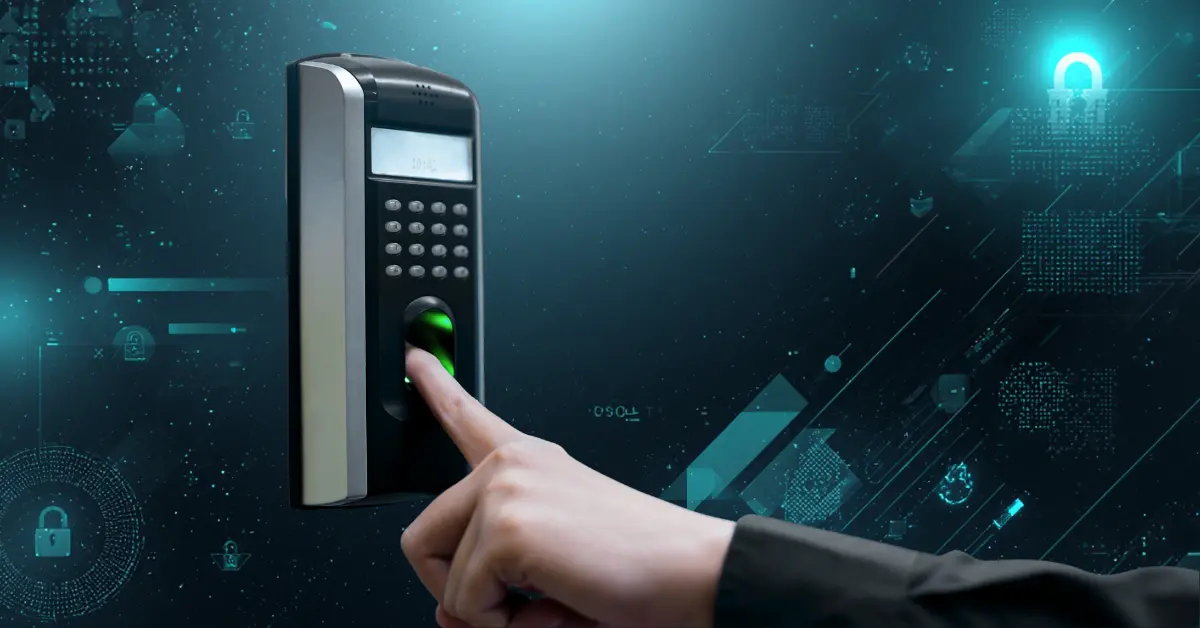
In an era defined by rapid technological progress and growing security challenges, protection can no longer rely solely on locks and security personnel. As businesses expand and risks become more complex, organizations, institutions, and residential communities need smarter and more dependable solutions to manage entry and exit points. This is where access control systems become essential.
An access control system is not simply a security measure it is a comprehensive management solution designed to safeguard people, assets, sensitive data, and critical infrastructure. From small offices to large industrial facilities, modern access control technologies deliver an organized, automated, and intelligent approach to controlling access with precision and reliability.
Key Takeaways
- Access control systems regulate entry and exit securely.
- They reduce risks associated with unauthorized access.
- Modern systems offer real-time monitoring and activity logs.
- Integration with CCTV enhances security coverage.
- Technology advancements are making access control smarter and more efficient.
What is an Access Control System?
An access control system is a security solution that regulates who is allowed to enter or exit a building, room, or restricted area. Instead of using traditional keys, it relies on digital authentication methods such as:
- Access cards
- Key fobs
- PIN codes
- Biometric verification (fingerprint, facial recognition)
- Mobile credentials
When a person attempts to enter, the system verifies their identity and determines whether access should be granted or denied.
Why Access Control is Important
Security risks today include theft, data breaches, unauthorized entry, workplace violence, and sabotage. An effective access control system reduces these risks by ensuring that only authorized individuals can enter specific areas.
Here’s why access control systems are essential:
1. Enhanced Security
They prevent unauthorized entry into restricted zones such as server rooms, control rooms, laboratories, and storage areas.
2. Controlled Access Levels
Not everyone needs access to every area. Access control systems allow administrators to assign permissions based on job roles.
3. Activity Tracking
Modern systems record entry and exit times, creating a digital log for monitoring and investigation.
4. Reduced Dependence on Physical Keys
Traditional keys can be lost, stolen, or duplicated. Digital credentials eliminate this risk.
5. Improved Operational Efficiency
Automated systems reduce the need for manual monitoring and increase overall productivity.
Types of Access Control Systems
Access control systems come in different forms depending on the level of security required.
1. Discretionary Access Control (DAC)
The property owner decides who gets access. This method is commonly used in small organizations.
2. Mandatory Access Control (MAC)
Access rights are strictly regulated by a central authority. It is often used in government or high-security environments.
3. Role-Based Access Control (RBAC)
Access is granted based on job roles. For example, managers may access certain areas that the general staff cannot.
4. Biometric Access Control
Uses unique biological traits such as fingerprints, retina scans, or facial recognition for authentication.
5. Cloud-Based Access Control
Allows remote management through online platforms, providing flexibility and real-time monitoring.
Key Components of an Access Control System
A complete access control setup includes several important components:
Access Control Panel
The central brain of the system that processes authentication requests.
Readers
Devices installed at entry points to read cards, scan fingerprints, or verify credentials.
Credentials
Access cards, key tags, biometric data, or mobile IDs are used for identification.
Electric Locks
Magnetic locks or electric strikes that physically secure doors.
Management Software
Allows administrators to configure settings, assign permissions, and monitor activity.
How an Access Control System Works
The process is simple but highly secure:
- A user presents their credentials (card, fingerprint, PIN).
- The reader scans and sends data to the control panel.
- The system verifies credentials against stored data.
- If authorized, the door unlocks.
- The system logs the event.
If access is denied, the door remains locked, and an alert may be generated.
Applications of Access Control Systems
Access control systems are widely used in various sectors:
Corporate Offices
To restrict access to sensitive departments and improve attendance tracking.
Industrial Facilities
To control entry into hazardous zones and high-value storage areas.
Hospitals
To protect patient records and restricted medical areas.
Educational Institutions
To manage student and staff access.
Residential Communities
To enhance gated community security.
Data Centers
To protect critical IT infrastructure.
Benefits of Modern Access Control Systems
Increased Safety
Prevents unauthorized individuals from entering secure areas.
Better Compliance
Helps organizations meet safety regulations and industry standards.
Centralized Management
Multiple locations can be managed from a single control center.
Scalability
Systems can grow as business needs expand.
Integration Capabilities
Can be integrated with CCTV, fire alarm systems, and intrusion detection systems.
Access Control and CCTV Integration
When access control systems are integrated with CCTV cameras, security becomes even stronger. For example:
- When someone scans a card, the system can record video simultaneously.
- Security personnel can verify identity visually.
- Suspicious activity can be investigated quickly.
This integration creates a comprehensive security environment.
The Role of Technology in Modern Access Control
Today’s access control systems use advanced technologies such as:
- Artificial Intelligence
- Cloud Computing
- Mobile App Integration
- Facial Recognition
- Touchless Entry Systems
These innovations provide faster processing, better accuracy, and higher security standards.
Challenges and Considerations
While access control systems are highly beneficial, proper planning is important. Organizations must consider:
- Security level requirements
- Scalability needs
- Integration compatibility
- Data protection and privacy
- Budget constraints
A well-designed system tailored to specific needs ensures maximum efficiency.
Future of Access Control Systems
The future of access control lies in smart automation and seamless connectivity. With the rise of smart buildings and IoT technology, access control systems are becoming more intelligent and user-friendly.
Biometric authentication, mobile credentials, and AI-powered analytics are shaping the next generation of secure environments.
In the coming years, touchless and cloud-managed systems will dominate the market, providing both security and convenience.
Conclusion
Access control systems have become a cornerstone of modern security infrastructure. They provide structured access management, enhanced protection, and operational efficiency. Whether securing a small office or a large industrial complex, these systems ensure that only the right people enter the right places at the right time.
In a world where security threats are constantly evolving, investing in a reliable access control system is not just a precaution it is a necessity.
Because true security begins at the door.
FAQ’s
It is a security system that controls who can enter or exit a building or restricted area.
It verifies credentials like cards, PIN codes, or biometrics and grants or denies entry accordingly.
They are used in offices, factories, hospitals, schools, residential communities, and data centers.
Yes, it can be integrated with CCTV and other security systems for enhanced protection.
Yes, biometric systems use unique features like fingerprints or facial recognition, making them highly secure and difficult to duplicate.

No responses yet