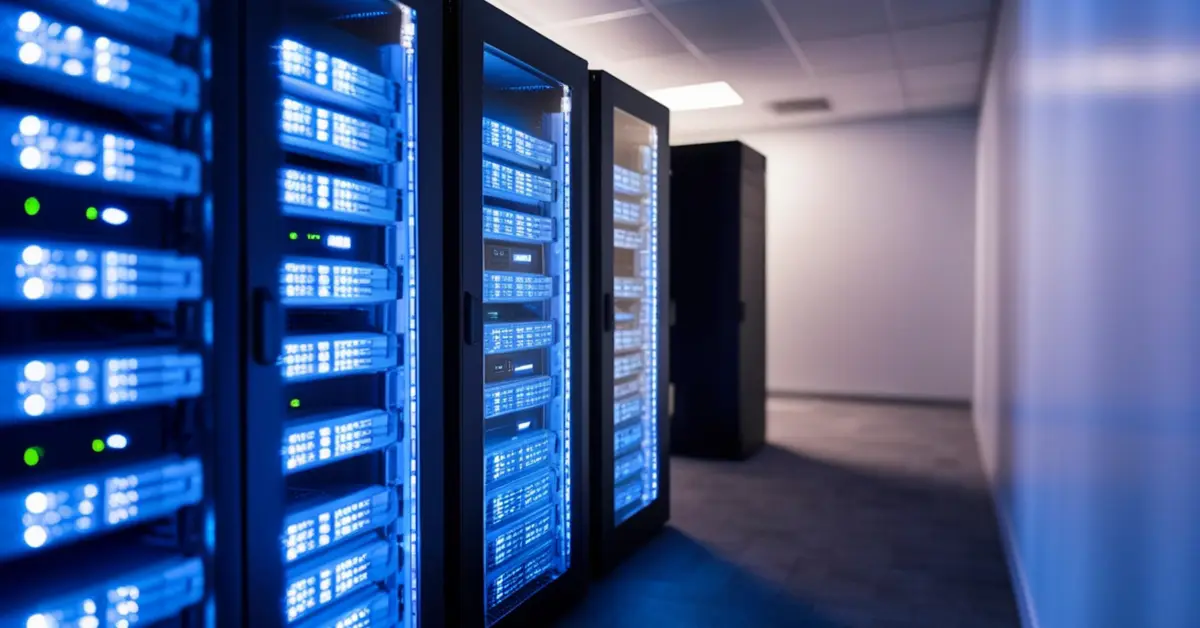
In today’s digital world, everything depends on data. From emails and online meetings to cloud storage, banking transactions, hospital records, security systems, and business applications, data is constantly being created, processed, and stored. Behind all these digital activities lies a powerful and organized infrastructure known as a Datacenter Network System.
A data center network system is the core structure that connects servers, storage devices, security systems, and communication equipment within a data center. It ensures that information flows smoothly, securely, and without interruption. Without a reliable network system, even the most advanced servers and storage solutions cannot perform effectively.
Key Takeaways Datacenter Network System
• Connects servers, storage, and devices for smooth data communication.
• Ensures high-speed, secure, and reliable network performance.
• Supports cloud computing and virtual environments.
• Uses redundancy systems to reduce downtime risks.
• Requires proper monitoring and maintenance for long-term stability.
What is a Datacenter Network System?
A Datacenter Network System is a structured networking framework designed to connect all devices within a data center. It allows servers to communicate with each other, connect to the internet, share data, and provide services to users across the world.
This system includes:
- Core and access switches
- Routers
- Firewalls
- Structured cabling
- Patch panels
- Server racks
- Network monitoring tools
- Backup and redundancy systems
Together, these components create a high-speed, secure, and scalable communication environment.
Why Datacenter Network Systems Are Important
In the modern business environment, downtime is costly. Even a few minutes of network failure can result in financial loss, operational delays, and reputational damage. A well-designed datacenter network system ensures:
- Continuous availability
- High-speed data transfer
- Secure information exchange
- Reliable cloud connectivity
- Disaster recovery support
Businesses, hospitals, banks, universities, and government institutions rely on stable network systems to operate smoothly.
Core Components of a Datacenter Network System
1. Core Switches
Core switches act as the central communication hub. They manage large volumes of traffic and ensure high-speed connectivity between servers and external networks.
2. Access Switches
These switches connect individual servers and devices to the network. They distribute network access across different racks and zones.
3. Routers
Routers connect the data center to external networks such as the Internet or other branches.
4. Firewalls
Firewalls protect the network from cyber threats by filtering traffic and blocking unauthorized access.
5. Structured Cabling
Proper cabling ensures organized and efficient data transmission. It reduces signal interference and simplifies maintenance.
6. Server Racks
Server racks organize equipment neatly and allow proper airflow and cable management.
7. Redundancy Systems
Backup systems prevent downtime by providing alternative network paths and power sources.
Types of Datacenter Network Architectures
Traditional Three-Tier Architecture
This model includes:
- Core layer
- Aggregation layer
- Access layer
It separates network functions to improve performance and management.
Spine-Leaf Architecture
A modern and scalable design where every leaf switch connects to every spine switch. It offers lower latency and better performance for cloud computing environments.
Software-Defined Networking (SDN)
SDN separates network control from hardware, allowing centralized management and automation.
Each architecture is chosen based on business needs, size, and future scalability.
Key Features of a Strong Datacenter Network System
High Availability
The system must operate 24/7 without interruption.
Scalability
It should allow easy expansion as the business grows.
Security
Protection against cyber threats is critical.
Speed and Performance
Low latency and high bandwidth ensure fast data processing.
Redundancy
Backup paths and equipment prevent system failure.
Monitoring and Management
Real-time monitoring helps detect and resolve issues quickly.
Benefits of a Datacenter Network System
1. Business Continuity
Reliable networks prevent downtime and service disruptions.
2. Improved Productivity
Fast and stable connectivity improves workflow efficiency.
3. Enhanced Data Security
Firewalls, encryption, and access control protect sensitive information.
4. Cloud Integration
Supports seamless cloud computing and remote access.
5. Disaster Recovery
Backup systems ensure data protection during emergencies.
Datacenter Network and Security Integration
Modern datacenter networks are closely integrated with security systems. They include:
- Intrusion detection systems
- Network segmentation
- Access control policies
- Secure VPN connectivity
- Data encryption
This layered security approach protects against cyberattacks, data breaches, and unauthorized access.
Importance of Structured Cabling in Datacenters
Structured cabling is the foundation of an organized network system. It ensures:
- Clean cable management
- Easy troubleshooting
- Reduced downtime
- Better airflow for cooling
- Improved scalability
Poor cabling can lead to signal interference, overheating, and maintenance difficulties.
Role of Redundancy in Network Systems
Redundancy is critical in data centers. It includes:
- Dual power supplies
- Backup switches
- Multiple internet connections
- Alternative routing paths
If one component fails, another takes over instantly. This ensures zero or minimal downtime.
Cooling and Environmental Considerations
Datacenter network systems generate heat. Proper cooling solutions are necessary to maintain performance and prevent hardware damage.
Environmental controls include:
- Precision air conditioning
- Hot and cold aisle containment
- Temperature monitoring
- Fire detection systems
These systems protect sensitive networking equipment.
Cloud and Virtualization in Modern Datacenters
Today’s datacenter networks support virtualization and cloud computing. Virtual machines share physical hardware, reducing costs and improving efficiency.
Cloud integration allows:
- Remote access
- Scalable storage
- On-demand computing
- Hybrid infrastructure
Modern network systems are designed to support these technologies seamlessly.
Network Monitoring and Management
Monitoring tools provide real-time insights into:
- Traffic patterns
- Bandwidth usage
- Security alerts
- Device performance
Proactive monitoring helps prevent issues before they become critical problems.
Challenges in Datacenter Network Systems
While datacenter networks are powerful, they face challenges such as:
- Increasing cybersecurity threats
- Growing data volume
- Energy consumption
- Rapid technology changes
- Need for skilled professionals.
Proper planning and regular upgrades help address these challenges.
Future of Datacenter Network Systems
The future of datacenter networking includes:
- Artificial Intelligence (AI) for automated management
- Edge computing for faster processing
- 5G connectivity
- Energy-efficient designs
- Advanced cybersecurity solutions
As digital transformation continues, datacenter networks will become even more intelligent and resilient.
How to Choose the Right Datacenter Network Solution
When designing or upgrading a datacenter network, consider:
- Current business needs
- Future expansion plans
- Security requirements
- Budget
- Compliance standards
Working with experienced professionals ensures proper planning and implementation.
Maintenance and Testing
Regular maintenance is essential for reliable performance. This includes:
- Firmware updates
- Security patching
- Cable inspections
- Backup testing
- Performance analysis
Preventive maintenance reduces the risk of unexpected failures.
Conclusion
A Datacenter Network System is the heart of digital operations. It connects servers, secures information, supports cloud computing, and ensures business continuity. Without a stable, well-designed network, organizations cannot operate efficiently in today’s technology-driven world.
From small businesses to large enterprises, investing in a reliable datacenter network system is not just a technical decision; it is a strategic necessity. It ensures speed, security, scalability, and stability.
As digital demands grow, strong and intelligent network systems will continue to power innovation, protect data, and drive business success.
FAQ’S
It connects and manages communication between servers, storage, and network devices.
Businesses, banks, hospitals, IT companies, and organizations that handle large amounts of data.
It uses backup links and redundant systems to keep operations running smoothly.
Yes, it can be expanded to support increasing data and users.
Through advanced security controls, monitoring systems, and restricted access policies.

No responses yet