Fire is one of the most powerful forces on earth. When controlled, it fuels industries, powers machines, and supports daily life. But when it breaks out unexpectedly, it can cause devastating damage within minutes. Homes, offices, factories, hospitals, and warehouses are all vulnerable if proper precautions are not in place.
Fire and safety is not just about installing alarms or keeping extinguishers on the wall. It is about creating a culture of awareness, responsibility, and preparedness. A strong fire and safety system protects lives, safeguards property, ensures business continuity, and builds trust among employees and customers.
KeyTakeaway
- Protects Lives First – Effective fire safety systems reduce injuries and save lives during emergencies.
- Prevents Major Property Loss – Early detection and suppression systems minimize damage and financial loss.
- Ensures Business Continuity – Strong fire protection reduces downtime and keeps operations running smoothly.
- Strengthens Workplace Confidence – A safe environment improves employee morale, focus, and productivity.
- Reduces Legal and Financial Risks – Compliance with fire safety standards prevents penalties, lawsuits, and insurance issues.
Why Fire and Safety Matters
A small spark can turn into a life-threatening emergency within seconds. According to global safety studies, most fire-related injuries and losses happen because of delayed response, lack of equipment, or poor awareness.
Fire safety matters because it:
- Saves lives
- Reduces injuries
- Protects property and assets
- Prevents business downtime
- Ensures compliance with safety regulations
- Reduces legal and financial risks
More importantly, it gives people peace of mind. When employees know their workplace is protected, they feel confident and focused. This leads to better productivity and stronger organizational growth.
Common Causes of Fire Incidents
Understanding the root causes of fire is the first step toward prevention. Some of the most common causes include:
1. Electrical Faults
Short circuits, overloaded circuits, and faulty wiring are leading causes of industrial and residential fires.
2. Flammable Materials
Improper storage of chemicals, fuels, or combustible materials significantly increases the risk.
3. Human Negligence
Unattended cooking, smoking in restricted areas, and carelessness during welding or hot work can trigger major incidents.
4. Equipment Malfunction
Machinery overheating or system failures can spark dangerous fires in industrial settings.
Identifying these risks early allows organizations to take preventive action before disaster strikes.
Essential Fire Protection Systems
A complete fire safety strategy includes multiple protection layers. Each system plays a unique role in detecting, controlling, and extinguishing fires.
1. Fire Alarm Systems
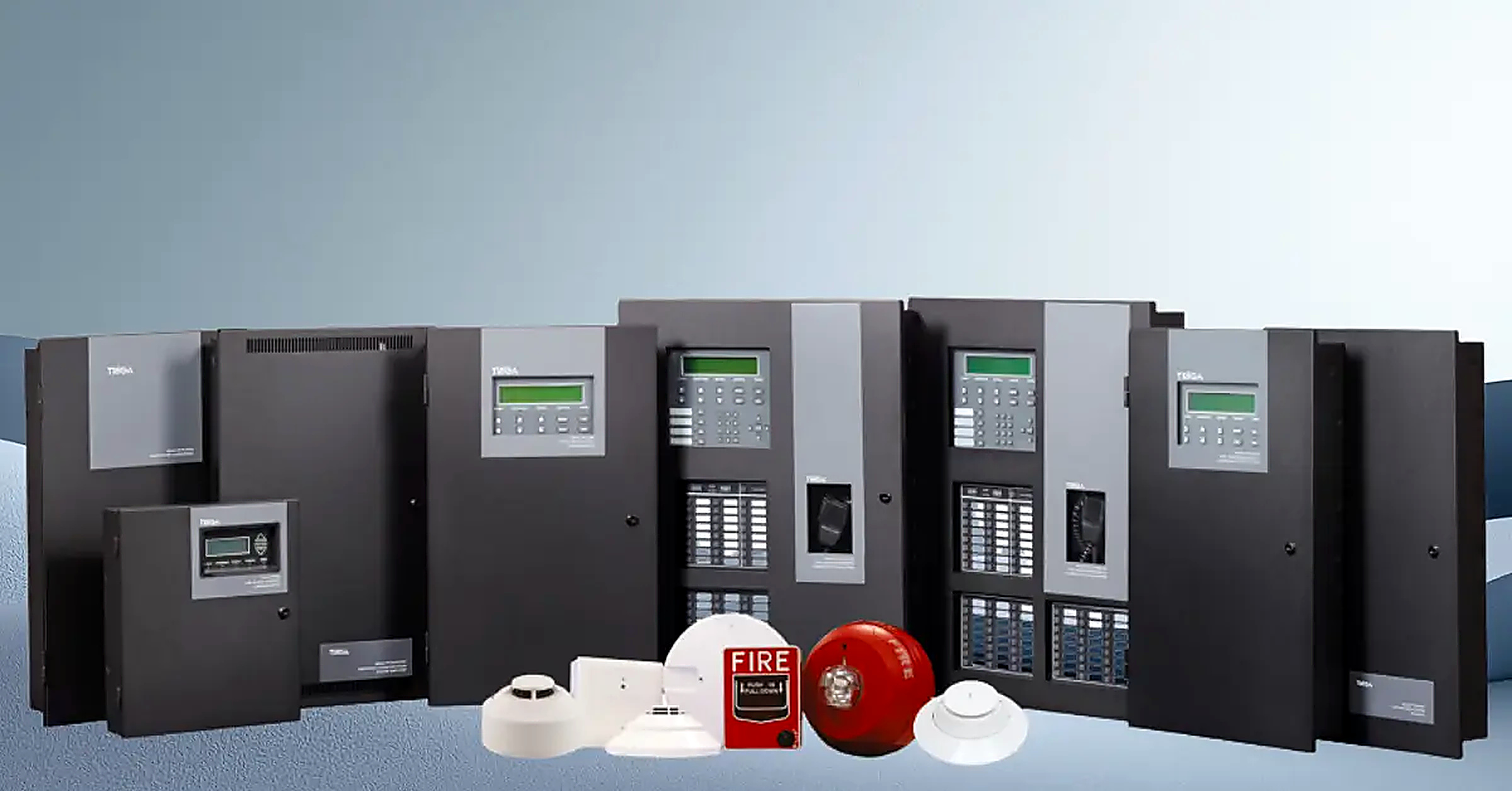
Fire alarm systems instantly notify residents when they detect heat, smoke, or flames. Early detection is critical. The faster people are alerted, the faster they can evacuate and respond.
Modern alarm systems include:
- Smoke detectors
- Heat detectors
- Manual call points
- Audible and visual alarms
Advanced systems can even send instant alerts to monitoring stations and emergency responders.
2. Fire Sprinkler Systems
Sprinklers activate automatically when the temperature reaches a certain level. Contrary to popular belief, only the sprinkler closest to the fire activates, not all of them.
Benefits include:
- Immediate suppression
- Reduced fire spread
- Lower property damage
- Increased survival rates
Sprinklers are especially important in high-rise buildings, warehouses, and industrial facilities.
3. Fire Hydrant Pump Systems
Hydrant systems provide high-pressure water to firefighters during emergencies.
These systems typically include:
- Main electric pump
- Diesel backup pump
- Jockey pump (to maintain pressure)
- Water storage tank
Even during power failure, diesel pumps ensure a continuous water supply, making them essential for large facilities.
4. Fire Extinguishers
Fire extinguishers are the first line of defense. However, different types are designed for different classes of fire:
- Water extinguishers (Class A – solid materials)
- CO₂ extinguishers (Class B & electrical fires)
- Foam extinguishers
- Dry chemical powder extinguishers
Regular inspection and employee training are crucial for effective use.
Fire Safety in the Workplace
Workplace safety is more than a legal requirement it’s a moral responsibility. A safe environment reduces fear, builds morale, and encourages productivity.
Fire Risk Assessment
Every organization should conduct a thorough fire risk assessment to identify hazards, evaluate risk levels, and implement corrective measures.
This includes:
- Checking electrical systems
- Inspecting storage areas
- Evaluating escape routes
- Testing fire alarms and suppression systems
An effective emergency plan ensures everyone knows exactly what to do during a fire.
Emergency Response Planning
Key elements include:
- Clear evacuation routes
- Marked emergency exits
- Designated assembly points
- Fire wardens or emergency coordinators
- Regular safety drills
Practice builds confidence. When people rehearse emergency procedures, panic decreases and response time improves.
The Role of Technology in Fire and Safety
Technology is transforming fire protection systems worldwide.
Smart Fire Detection
IoT-connected detectors can send real-time alerts to smartphones and control rooms, enabling seamless communication and efficient management.
AI-Powered Monitoring
Artificial intelligence can identify unusual heat patterns or smoke behavior before a fire spreads.
Remote Monitoring Systems
Facilities managers can remotely monitor fire systems, ensuring 24/7 protection.
Technology not only enhances safety but also reduces maintenance costs and response time.
Building a Culture of Safety
Equipment alone is not enough. People make the real difference.
A strong safety culture includes:
- Regular training sessions
- Safety awareness campaigns
- Clear communication channels
- Leadership commitment
- Continuous improvement
When safety becomes part of a daily routine, accidents decrease dramatically.
Fire Safety Compliance and Legal Requirements
Every country has fire safety codes and building regulations. Compliance is not optional. Non-compliance can result in:
- Heavy fines
- Legal action
- Insurance claim rejection
- Business closure
Routine inspections and documentation help organizations stay compliant and avoid penalties.
The Business Impact of Fire Safety
Investing in fire protection is not an expense; it is an investment.
Strong fire safety measures:
- Minimize downtime
- Protect brand reputation
- Reduce insurance premiums
- Increase employee trust
- Improve operational continuity
Businesses that prioritize safety are more resilient and sustainable in the long run.
Fire Safety at Home
Fire safety is equally important in residential spaces.
Homeowners should:
- Install smoke alarms
- Keep fire extinguishers accessible.
- Avoid overloading electrical outlets.
- Store flammable liquids safely.
- Create a family evacuation plan.
Teaching children about fire safety can prevent life-threatening accidents.
Maintenance and Inspection
Even the best fire system can fail without proper maintenance.
Routine checks should include:
- Testing alarm systems
- Inspecting sprinkler heads
- Checking pump pressure
- Servicing extinguishers
- Reviewing emergency lighting
Preventive maintenance ensures systems function properly during real emergencies.
Training: The Key to Effective Fire Response
Training transforms ordinary employees into first responders.
Fire safety training should cover:
- How to use extinguishers
- Evacuation procedures
- Identifying hazards
- Reporting safety concerns
- Assisting vulnerable individuals
Well-trained teams respond faster and more effectively during emergencies.
Future Trends in Fire and Safety
The future of fire safety is becoming smarter and more automated.
Emerging trends include:
- Integrated building management systems
- Cloud-based monitoring
- Predictive maintenance analytics
- Smart wearable safety devices
- Eco-friendly fire suppression agents
These innovations are making fire protection faster, smarter, and more reliable.
Conclusion
Fire does not give warnings. It spreads quickly and leaves lasting damage. But with the right fire and safety systems in place, most incidents can be prevented or controlled before they become disasters.
Fire safety is not just about equipment — it is about preparation, awareness, responsibility, and commitment. Whether in homes, offices, or industrial facilities, investing in fire protection saves lives, protects property, and ensures business continuity.
A safe environment is a productive environment. When safety comes first, everything else follows.
FAQ’s
It protects lives and property from fire hazards.
Proper design, quality equipment, and regular maintenance.
It controls fires quickly and limits damage.
Yes, most buildings must meet fire safety regulations.
Investing in reliable and advanced fire protection systems.
No responses yet