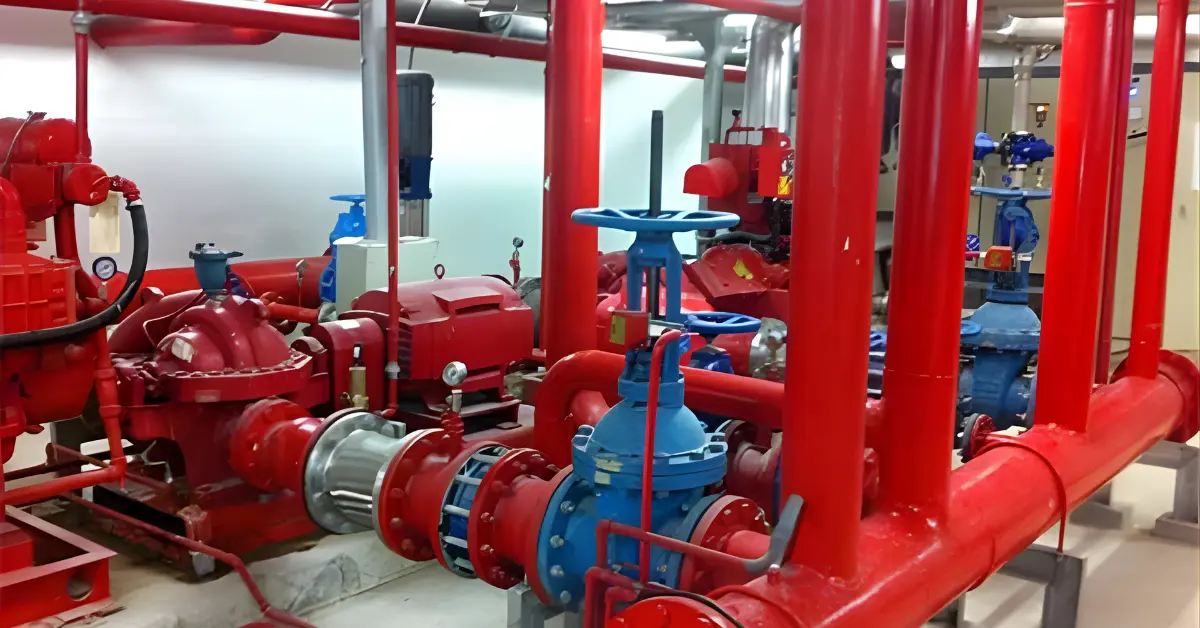
A fire hydrant system is a permanent, high-pressure firefighting system designed to deliver a continuous and reliable water supply during emergencies, helping control and extinguish large fires before they escalate. It consists of dedicated water storage, fire pumps, pipelines, hydrant valves, and hose connections that provide immediate access to pressurized water for firefighters or trained personnel. Commonly installed in residential, commercial, and industrial buildings, its primary purpose is to protect lives, minimize property damage, ensure business continuity, and strengthen overall fire protection infrastructure.
KeyTakeaway
- Provides instant high-pressure water during fire emergencies.
- Protects lives, property, and critical infrastructure.
- Supports firefighters with a reliable and continuous water supply.
- Ensures compliance with fire safety standards and regulations.
- Reduces financial loss, downtime, and long-term damage risks.
What Is a Fire Hydrant System?
A fire hydrant system is a high-pressure water distribution system designed to supply water to firefighters during a fire emergency. It delivers water through hydrant valves, hose reels, and landing valves connected to a dedicated pump and water storage source.
Unlike portable fire extinguishers, which are suitable for small fires, a fire hydrant system is designed to handle large-scale fire emergencies.
It ensures:
- Immediate access to pressurized water
- Quick firefighting response
- Continuous water supply
- Protection for large buildings and industrial facilities
Simply put, it is the backbone of active fire protection.
Why Fire Hydrant Systems Are So Important
Fires spread extremely fast. Within minutes, a small spark can turn into a life-threatening situation. A fire hydrant system provides instant water flow to control flames before they escalate out of control.
Key Reasons Why Hydrant Systems Matter
- Protect human lives
- Reduce property damage
- Minimize business downtime
- Support fire department operations
- Meet fire safety compliance standards.
- Lower insurance risks
In the commercial and industrial sectors, fire damage can result in millions of dollars in losses. A properly installed hydrant system acts as a shield against catastrophic damage.
Main Components of a Fire Hydrant System
Understanding the core components helps ensure proper system design and performance.
1. Fire Water Storage Tank
Stores a dedicated water supply for firefighting. It can be underground, overhead, or ground-level, depending on building requirements.
2. Fire Pump Set
The heart of the system. It maintains the required pressure and flow rate.
It usually includes:
- Main electric pump
- Diesel pump (backup during power failure)
- Jockey pump (maintains pressure stability)
3. Hydrant Valves
Installed at strategic locations for quick hose connection during emergencies.
4. Hose Reels
Allow trained personnel to control small to medium fires quickly.
5. Landing Valves (For High-Rise Buildings)
Installed on each floor to assist firefighters.
6. Piping Network
Heavy-duty pipes distribute water across the building.
7. Control Panel
Monitors and manages pump operations.
Each component works together to ensure a reliable and instant fire response.
How a Fire Hydrant System Works
The system remains pressurized at all times.
Here’s how it operates during a fire emergency:
- Fire is detected.
- A hydrant valve is opened.
- Pressure drops in the pipeline.
- The fire pump automatically activates.
- High-pressure water flows through hoses.
- Firefighters control and extinguish the fire.
If the main power supply fails, the diesel pump starts automatically, ensuring uninterrupted water flow.
This automation makes hydrant systems highly dependable.
Types of Fire Hydrant Systems
Different buildings require different hydrant system designs.
1. Wet Riser System
Always filled with water and ready for immediate use. Common in high-rise buildings.
2. Dry Riser System
Empty pipes that firefighters fill with water during emergencies. Suitable for medium-height buildings.
3. External Hydrant System
Installed outside buildings for fire brigade access.
4. Yard Hydrant System
Used in industrial facilities, warehouses, and factories.
Choosing the correct system depends on building height, occupancy type, and fire risk assessment.
Where Fire Hydrant Systems Are Used
Hydrant systems are essential in:
- Commercial buildings
- Shopping malls
- Hospitals
- Hotels
- Factories
- Warehouses
- Power plants
- Educational institutions
- Residential complexes
In industrial settings, where flammable materials are present, hydrant systems are critical.
Fire Hydrant System Design Considerations
A well-designed hydrant system ensures maximum performance.
Key design factors include:
- Building size and layout
- Fire load calculation
- Required water flow rate
- Pump capacity
- Pipe diameter and material
- Compliance with local fire safety regulations
- Accessibility of hydrant points
Professional engineering design ensures optimal coverage and pressure balance.
Installation Process of Fire Hydrant System
Proper installation guarantees system reliability.
Step 1: Site Assessment
Engineers evaluate building layout and risk factors.
Step 2: System Design & Approval
Design drawings are prepared and approved by the fire authorities.
Step 3: Tank and Pump Installation
Water storage tank and pump sets are installed.
Step 4: Pipeline Network Setup
Heavy-duty pipes are installed across the facility.
Step 5: Hydrant and Valve Installation
Hydrant valves and hose reels are mounted.
Step 6: Testing & Commissioning
Pressure testing and flow testing are performed.
Step 7: Final Inspection
The system is inspected for compliance.
Maintenance of Fire Hydrant System
Installation is only the beginning. Regular maintenance ensures performance during emergencies.
Routine Maintenance Includes:
- Weekly pump testing
- Monthly pressure checks
- Hose inspection
- Valve lubrication
- Leak detection
- Annual flow testing
- Diesel engine inspection
Neglecting maintenance can lead to system failure during critical moments.
Preventive maintenance saves lives.
Advantages of Installing a Fire Hydrant System
A fire hydrant system offers numerous benefits:
1. Immediate Fire Response
Provides instant high-pressure water.
2. Reliable Backup Power
Diesel pumps operate during power outages.
3. Continuous Water Supply
Dedicated water storage ensures availability.
4. Insurance Benefits
Reduces insurance premiums.
5. Legal Compliance
Meets fire safety standards and building codes.
6. Long-Term Protection
Durable infrastructure protects assets for years.
Fire Hydrant System vs Fire Sprinkler System
Many people confuse hydrant systems with sprinkler systems.
Fire Hydrant System:
- Manual operation
- High water volume
- Used by firefighters
- Designed for large fires
Fire Sprinkler System:
- Automatic activation
- Localized water discharge
- Controls fire in early stages
Both systems are essential and often installed together for complete fire protection.
Compliance and Safety Standards
Fire hydrant systems must comply with:
- Local fire safety regulations
- Building codes
- Industrial safety standards
- Insurance guidelines
Non-compliance can result in:
- Heavy fines
- Business closure
- Legal penalties
- Insurance claim rejection
Professional installation ensures regulatory compliance.
Common Mistakes to Avoid
- Undersized water tank
- Improper pump selection
- Low-quality piping
- Poor maintenance planning
- Incorrect pressure calculation
- Blocked hydrant access
These mistakes can compromise safety.
Always work with certified fire safety professionals.
Cost of Fire Hydrant System
The cost depends on:
- Building size
- Pump capacity
- Tank size
- Pipe network length
- Installation complexity
- Compliance requirements
While initial investment may seem high, the cost of fire damage is far greater.
Fire protection is an investment not an expense.
Fire Hydrant System vs Fire Sprinkler System
Many people confuse hydrant systems with sprinkler systems.
Fire Hydrant System:
- Manual operation
- High water volume
- Used by firefighters
- Designed for large fires
Fire Sprinkler System:
- Automatic activation
- Localized water discharge
- Controls fire in early stages
Both systems are essential and often installed together for complete fire protection.
Compliance and Safety Standards
Fire hydrant systems must comply with:
- Local fire safety regulations
- Building codes
- Industrial safety standards
- Insurance guidelines
Non-compliance can result in:
- Heavy fines
- Business closure
- Legal penalties
- Insurance claim rejection
Professional installation ensures regulatory compliance.
Common Mistakes to Avoid
- Undersized water tank
- Improper pump selection
- Low-quality piping
- Poor maintenance planning
- Incorrect pressure calculation
- Blocked hydrant access
These mistakes can compromise safety.
Always work with certified fire safety professionals.
Cost of Fire Hydrant System
The cost depends on:
- Building size
- Pump capacity
- Tank size
- Pipe network length
- Installation complexity
- Compliance requirements
While initial investment may seem high, the cost of fire damage is far greater.
Fire protection is an investment not an expense.
The Future of Fire Hydrant Systems
Modern technology is transforming fire safety.
Innovations include:
- Smart pressure monitoring
- IoT-enabled pump systems
- Remote diagnostics
- Automated alerts
- Advanced corrosion-resistant materials
These advancements improve reliability and reduce downtime.
Conclusion
A Fire hydrant system is a vital component of modern fire protection, designed to deliver powerful and reliable water supply during emergencies. With proper design, installation, and regular maintenance, it ensures maximum safety for people, property, and business operations. As technology continues to enhance system performance and monitoring capabilities, fire hydrant systems are becoming smarter and more efficient. Investing in a high-quality hydrant system is not just about meeting regulations it is about securing lives and building a safer future.
FAQ’s
Yes, it is required in many commercial and industrial buildings by fire safety regulations.
Yes, diesel backup pumps ensure operation even without electricity.
It delivers high-pressure water suitable for controlling large fires.
Trained personnel and firefighters can use it during emergencies.
It should be inspected and tested regularly to ensure proper performance.

No responses yet