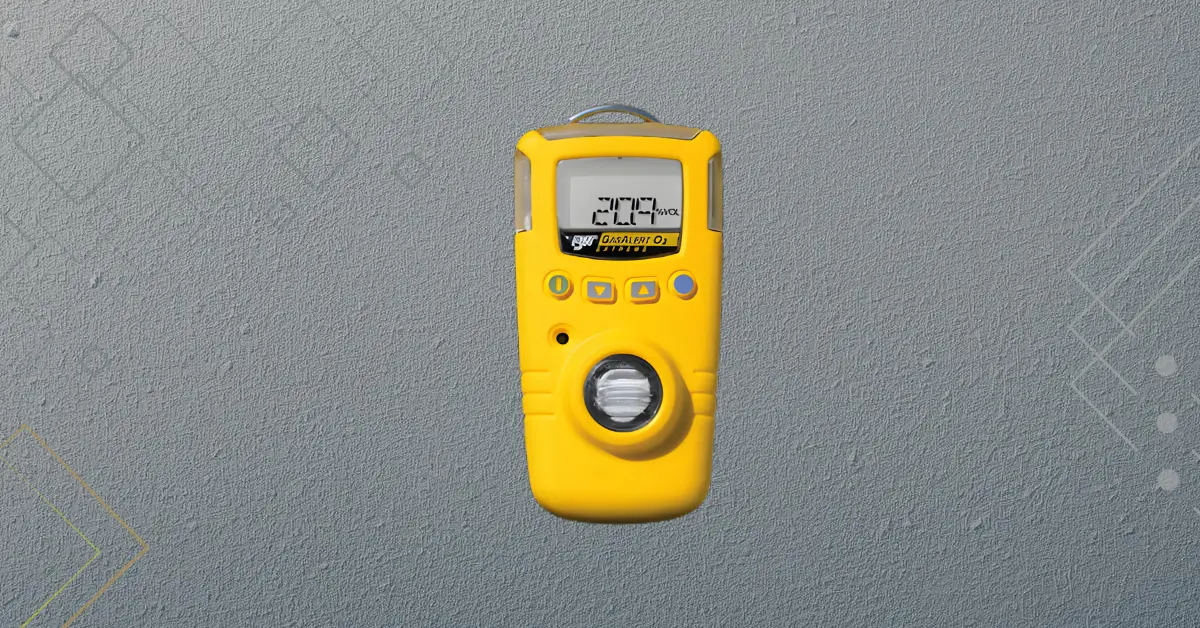
In modern industrial and commercial facilities, a gas detector system is essential for safeguarding lives and valuable assets against hidden hazards. Dangerous gases, such as carbon monoxide, methane, and LPG, can escape silently and pose serious risks within moments. An effective gas detection system continuously monitors air quality, immediately issues alerts when gas levels exceed safe limits, and helps prevent fires, explosions, and health emergencies before they occur. Whether used in factories, hospitals, commercial kitchens, parking basements, or data centers, it delivers early warning, supports regulatory compliance, and strengthens overall workplace safety by ensuring a protected and reliable environment.
Key Takeaway Gas Detector System
- Early gas detection prevents serious accidents.
- Protects people from toxic and combustible gases.
- Reduces fire, explosion, and health risks.
- Ensures compliance with safety regulations.
- Strengthens overall workplace safety and reliability.
What Is a Gas Detector System?
A gas detector system is a safety monitoring solution designed to detect the presence of hazardous gases in an environment. It measures gas concentration levels and triggers alarms when they exceed safe limits.
These systems are commonly used to detect:
Combustible gases (Methane, LPG, Propane)
Toxic gases (Carbon Monoxide, Hydrogen Sulfide, Ammonia)
Oxygen deficiency or enrichment
Industrial gases (Chlorine, Nitrogen, CO₂)
The primary goal is simple: early detection saves lives and prevents accidents.
Why Gas Detection Is So Important
Gas leaks are dangerous because they are often:
- Invisible
- Odorless
- Colorless
- Highly flammable or toxic
Without proper detection, people may not realize there is a problem until it is too late.
A well-designed gas monitoring system:
- Prevents fire and explosions
- Reduces health risks
- Ensures workplace safety
- Protects valuable equipment
- Maintains regulatory compliance
- Minimizes business downtime
In industries like oil & gas, chemical plants, manufacturing, and commercial kitchens, gas detection is a mandatory safety requirement.
Types of Gas Detector Systems
Fixed Gas Detection Systems
Fixed systems are permanently installed in buildings or industrial facilities. They continuously monitor specific areas and are connected to a central control panel.
Best for:
- Industrial plants
- Warehouses
- Boiler rooms
- Generator rooms
- Data centers
Features:
- 24/7 monitoring
- Automatic alarms
- Integration with fire alarm systems
- Can activate ventilation or shutdown systems
Portable Gas Detectors
Portable detectors are handheld or wearable devices used by workers to monitor gas levels in confined spaces.
Best for:
- Maintenance staff
- Confined space entry
- Field engineers
- Emergency response teams
Features:
- Lightweight
- Battery operated
- Audible and vibration alerts
- Personal safety monitoring
Types of Gas Sensors Used
Gas detectors rely on different sensor technologies depending on the gas type:
Catalytic Sensors
Used for detecting combustible gases. They measure changes caused by the oxidation of gas.
Infrared (IR) Sensors
Highly accurate and used for detecting hydrocarbons and CO₂.
Electrochemical Sensors
Ideal for toxic gases like carbon monoxide and hydrogen sulfide.
Semiconductor Sensors
Sensitive and cost-effective for various gas applications.
Choosing the right sensor depends on the environment and the type of gas risk.
Key Components of a Gas Detection System
A complete system typically includes:
- Gas sensors
- Control panel
- Alarm system (sounder & strobe)
- Display unit
- Power supply
- Communication interface
- Automatic shut-off valves (optional)
- Ventilation control integration
The control panel acts as the brain of the system, receiving signals from sensors and activating alarms when necessary.
How a Gas Detector System Works
The working process is simple yet highly effective:
Sensors continuously monitor the air.
Gas concentration levels are measured in real-time.
If levels exceed preset safety limits, the system triggers alarms.
Alerts may include sound, flashing lights, or an automated system shutdown.
The problem is found and fixed before it becomes worse.
This proactive approach significantly reduces risk.
Applications of Gas Detector Systems
Gas detection systems are widely used in:
Industrial Facilities
Chemical plants, refineries, and manufacturing units.
Commercial Buildings
Parking basements, malls, and HVAC rooms.
Commercial KitchensLPG leak detection for restaurants and hotels.
Hospitals & Laboratories
Monitoring oxygen and medical gases.
Data Centers
Early detection of gas leaks in fire suppression systems.
Parking Areas
Carbon monoxide monitoring systems.
Benefits of Installing a Gas Detector System
Early Hazard Detection
Prevents accidents before they happen.
Improved Workplace Safety
Protects employees and visitors.
Fire & Explosion Prevention
Reduces ignition risks.
Regulatory Compliance
Meets safety standards and insurance requirements.
Business Continuity
Avoids shutdowns and costly damages.
Peace of Mind
Creates a secure working environment.
Installation Considerations
Proper installation is critical for accurate detection:
- Install sensors at correct height (gas-dependent)
- Ensure proper ventilation
- Avoid placing near airflow obstructions
- Follow manufacturer guidelines
- Perform regular calibration
- Schedule periodic maintenance
Professional installation ensures optimal performance.
Maintenance and Calibration
Gas detectors require regular maintenance to stay reliable:
- Sensor calibration every 6–12 months
- Functional testing
- Battery inspection (portable units)
- Cleaning sensors
- Software updates
Routine servicing ensures long-term reliability and accurate readings.
Gas Detection and Fire Safety Integration
Modern safety systems integrate gas detection with:
- Fire alarm systems
- Emergency ventilation
- Automatic shut-off valves
- Building management systems (BMS)
This integrated approach creates a complete safety ecosystem, ensuring faster emergency response and maximum protection.
Common Gases That Require Monitoring
Some of the most dangerous gases include:
- Carbon Monoxide (CO)
- Hydrogen Sulfide (H₂S)
- Methane (CH₄)
- Propane (C₃H₈)
- Ammonia (NH₃)
- Chlorine (Cl₂)
- Carbon Dioxide (CO₂)
Each gas has specific risk factors, and detection systems must be customized accordingly.
How to Choose the Right Gas Detection System
Before selecting a system, consider:
- Type of gas risk
- Environment (indoor/outdoor)
- Temperature conditions
- Area size
- Compliance requirements
- Integration needs
- Budget
Consulting fire and safety professionals helps ensure the right solution.
Future of Gas Detection Technology
Technology is continuously improving gas detection systems. Innovations include:
- Wireless gas detectors
- Smart IoT-based monitoring
- Cloud reporting systems
- AI-powered analytics
- Remote alert notifications
Smart gas detection enhances response time and data tracking, making workplaces safer than ever before.
Why Every Facility Needs Gas Detection
Gas-related incidents can cause:
- Severe injuries
- Long-term health problems
- Structural damage
- Legal liabilities
- Reputation loss
Investing in a reliable gas detection system demonstrates responsibility and supports compliance.
When businesses prioritize safety, they protect their people, assets, and future growth.
Conclusion
A gas detector system is one of the most critical components of modern fire and safety infrastructure. Invisible gases can cause devastating consequences if left undetected. With continuous monitoring, instant alerts, and system integration, gas detection technology provides an essential layer of protection.
In industrial plants, commercial buildings, hospitals, kitchens, and data centers, these systems provide continuous monitoring and protection, serving as silent guardians.
In today’s world, safety is a smart investment. And when it comes to gas hazards, early detection truly makes all the difference.
FAQs Gas Detector System
It detects harmful gases in the air and alerts people before levels become dangerous.
They are used in factories, hospitals, kitchens, parking areas, and industrial plants.
Yes, early detection helps prevent fires and explosions by warning before gas reaches dangerous levels.
They should be tested regularly and calibrated at least once or twice a year.
In many industrial and commercial environments, gas detection is mandatory for safety compliance.

No responses yet